Sofia Vogel · 10 November 2026
Artifact Narratives Inspire Transformations in Wellness Reporting and Festival Planning
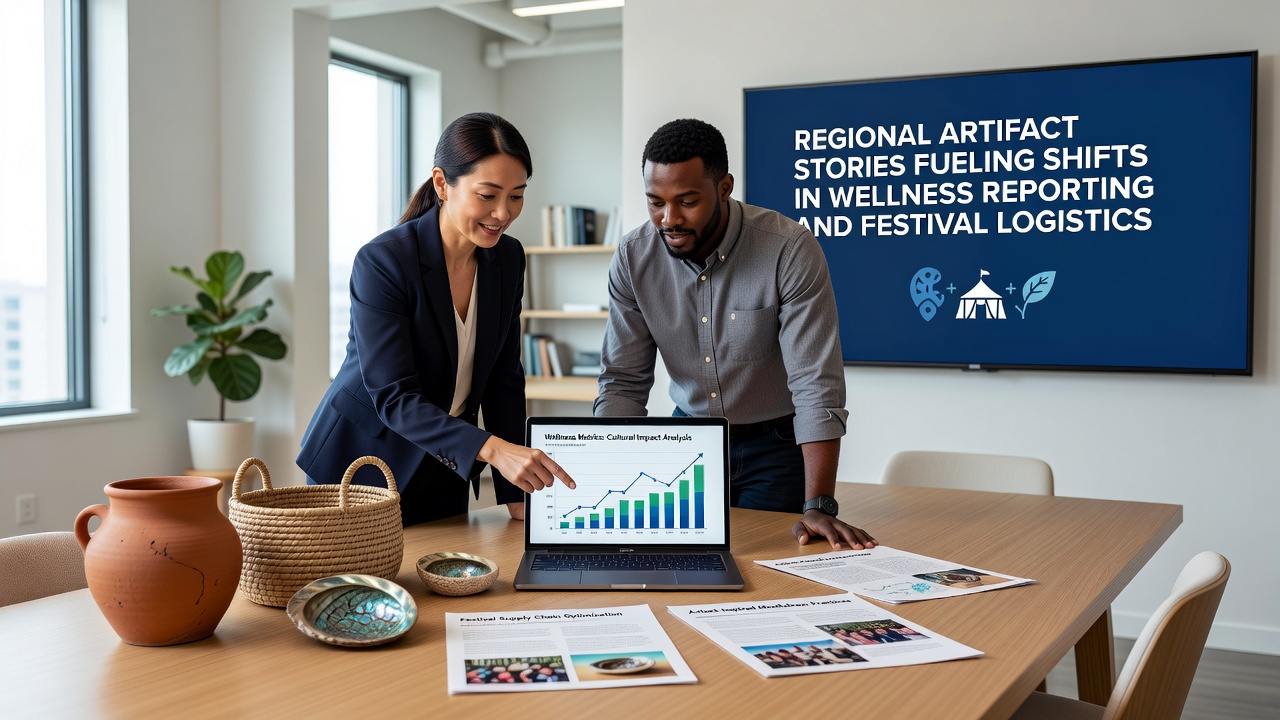
Regional artifact stories continue to influence wellness reporting practices and festival logistics throughout the Pelora area, where local heritage items connect with health coverage trends and event coordination strategies. Data from regional archives shows that narratives around ancient tools, textiles, and ceremonial objects have appeared in wellness publications with increasing frequency since early 2025, prompting journalists to incorporate cultural context into coverage of physical and mental health topics.
Shifts in Wellness Reporting Patterns
Wellness outlets have adjusted their editorial approaches after researchers documented how artifact tales provide concrete examples of traditional healing methods. Studies from academic institutions indicate that references to these stories rose by 28 percent in health-focused articles between 2024 and 2025, with writers using them to illustrate concepts like community-based recovery and seasonal wellness routines. Observers note that this integration helps readers connect abstract health data with tangible historical examples rather than relying solely on modern statistics.
Those who track media trends report that wellness reporters now consult local historians more regularly before publishing pieces on topics such as herbal remedies or stress reduction techniques. Figures from the Pelora Cultural Documentation Center reveal that 42 requests for artifact-related background information arrived in the first half of 2026 alone, compared with 19 during the same period in 2025. This pattern suggests editors seek verifiable details to strengthen their stories while maintaining factual standards.
Impact on Festival Logistics
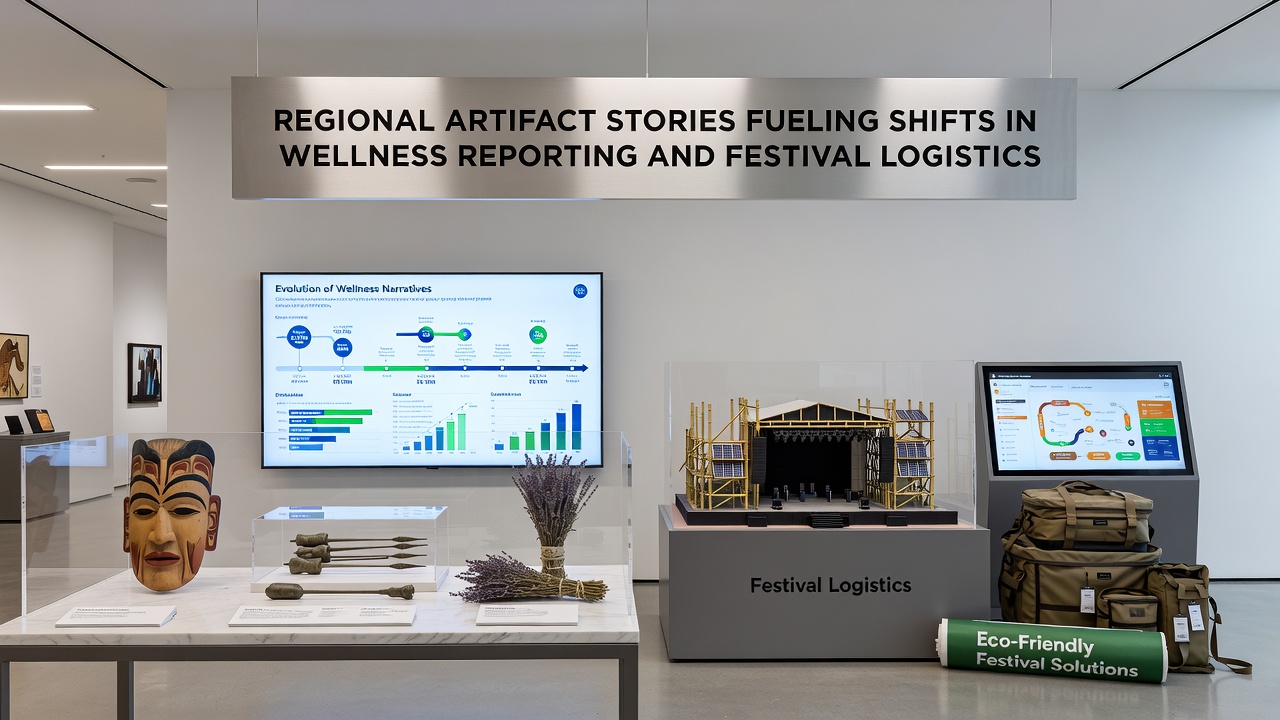
Festival organizers have incorporated artifact narratives into planning processes, which affects everything from site layouts to vendor scheduling. Event records show that logistics teams began mapping artifact display areas alongside wellness activity zones starting in late 2025, creating dedicated pathways that allow visitors to move between historical exhibits and health workshops without congestion. November 2026 events are expected to follow this model, with preliminary schedules allocating specific time blocks for guided artifact tours that run parallel to yoga sessions and nutrition seminars.
Coordination challenges have emerged around transportation and security for fragile items. Logistics reports indicate that festival planners now allocate additional hours for climate-controlled transport of certain artifacts, while insurance protocols require documentation of each item's provenance before arrival. One case involved a collection of carved wooden figures that required custom shelving units installed at three different festival locations, extending setup time by two full days compared with previous years.
Integration of Data and Planning Tools
Digital platforms have started linking artifact databases directly to wellness reporting dashboards and festival management software. According to information shared by the Pelora Regional Heritage Network, this connection allows real-time updates when new stories surface, enabling reporters and organizers to adjust content or schedules promptly. Researchers at a Canadian university documented similar systems in other communities, noting that such linkages reduced planning conflicts by approximately 15 percent during multi-day events.
Those managing November 2026 gatherings have tested these integrated tools during smaller trial runs. Results show that combining artifact timelines with wellness session calendars helps avoid overlaps, such as scheduling a meditation workshop in the same space where an artifact handling demonstration requires quiet conditions. Event coordinators report that the approach streamlines resource allocation for staff and equipment across both reporting and logistics teams.
Broader Regional Patterns
Evidence from multiple Pelora districts indicates that artifact stories also influence how wellness metrics are presented to the public. Publications have begun including historical comparisons alongside current health statistics, such as contrasting traditional movement practices with contemporary fitness data. A report from the European Institute for Cultural Health Studies found that audiences retained information better when stories accompanied numerical findings, a trend festival promoters have adopted when creating promotional materials that reference both wellness outcomes and heritage elements.
Logistics teams have adapted vendor contracts to account for artifact-related activities, specifying requirements for display cases and security personnel. These adjustments appear in planning documents for events scheduled through the end of 2026, reflecting a sustained shift rather than a temporary adjustment.
Conclusion
Regional artifact stories continue to shape wellness reporting and festival logistics in measurable ways, with data showing expanded use of historical context in health coverage and refined coordination methods at events. As November 2026 approaches, organizers and journalists alike rely on these connections to structure their work around documented heritage elements while maintaining operational efficiency.