Henrik Weber · 29 September 2026
Pelora Library Digitization Initiative Links Founding Family Archives to Evolving School Curricula
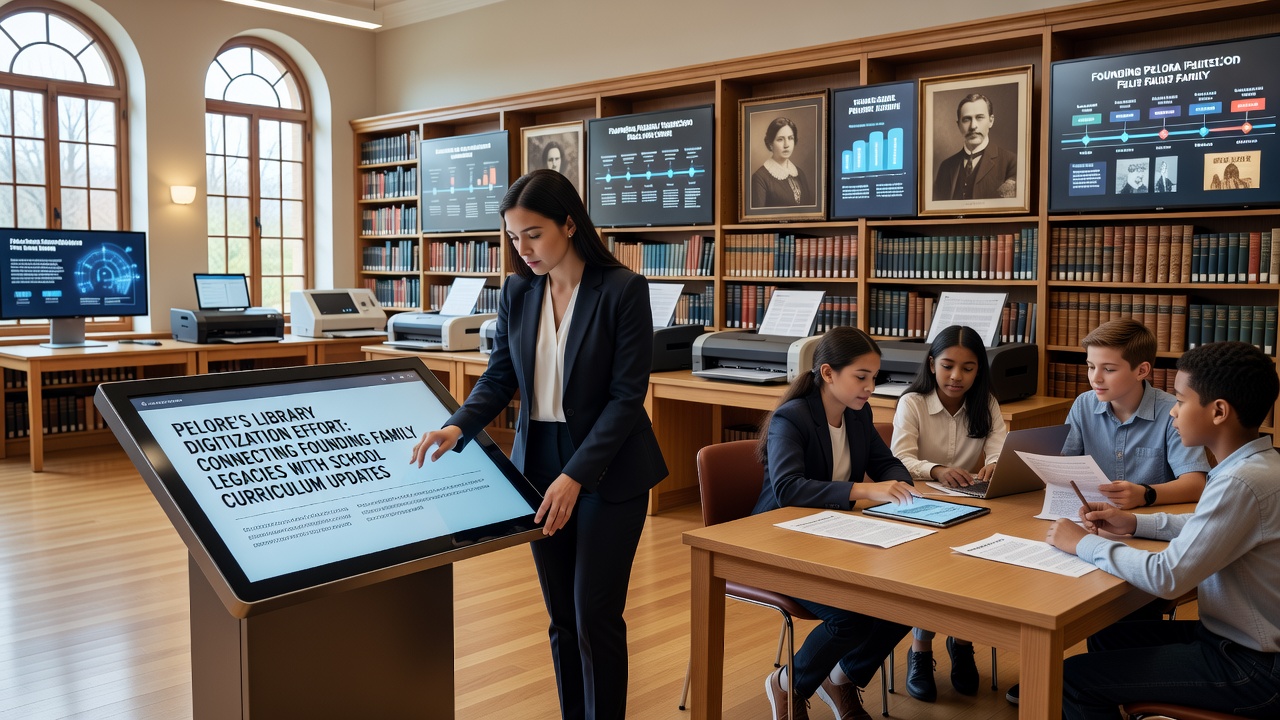
The Pelora Public Library launched its digitization initiative in 2024 to preserve records from the town's founding families while aligning those materials with revisions underway in local school programs, and this effort has progressed steadily through coordinated partnerships between librarians, historians, and educators. Founding families such as the Harrows and the Veldts contributed land deeds, personal letters, and business ledgers dating back to the mid-1800s, all of which now undergo high-resolution scanning and metadata tagging to create searchable digital collections.
Researchers at the Pelora Historical Society cataloged more than 3,200 physical items in the first phase, and these artifacts connect directly to lesson modules that the Pelora Unified School District introduced during the 2025-2026 academic year. Teachers incorporate digitized maps showing early settlement patterns into geography classes, while primary source excerpts from family correspondence appear in social studies units on regional development. The library's technical team uses open-source software to ensure files remain accessible across multiple platforms, and this approach reduces wear on original documents while expanding reach to students who cannot visit the physical building during regular hours.
Archival Foundations Meet Modern Educational Standards
Archivists note that the Harrows and Veldts maintained detailed records of agricultural practices and community governance, and these documents now support curriculum updates approved by the district board in spring 2025. Students examine transcribed versions of 19th-century farming logs alongside current data on sustainable land use, which allows comparisons between historical methods and contemporary techniques taught in science classes. The digitization workflow includes optical character recognition for handwritten texts, followed by verification from volunteer historians who cross-reference names and dates against census records.
By September 2026 the project expects to complete metadata entry for an additional 1,800 items, and school administrators plan to embed these resources into online learning portals used by middle and high school students. Curriculum coordinators report that the integration emphasizes primary source analysis skills required under state education guidelines, while library staff maintain strict protocols for handling fragile materials during the scanning process. One study from the University of Melbourne's digital heritage program outlines similar methods that improved access for regional schools, and Pelora librarians adapted those practices to local needs.
Community Records Drive Curriculum Revisions
School board minutes from late 2024 show that educators requested direct links between local history and required learning outcomes, and the library responded by prioritizing family collections that illustrate migration patterns, economic shifts, and civic leadership. Digitized photographs of the original Pelora town square appear in art appreciation modules, where students analyze composition techniques used by early photographers. The second phase of the project incorporates audio recordings of oral histories collected from descendants, and these files pair with language arts assignments that focus on narrative structure and historical context.
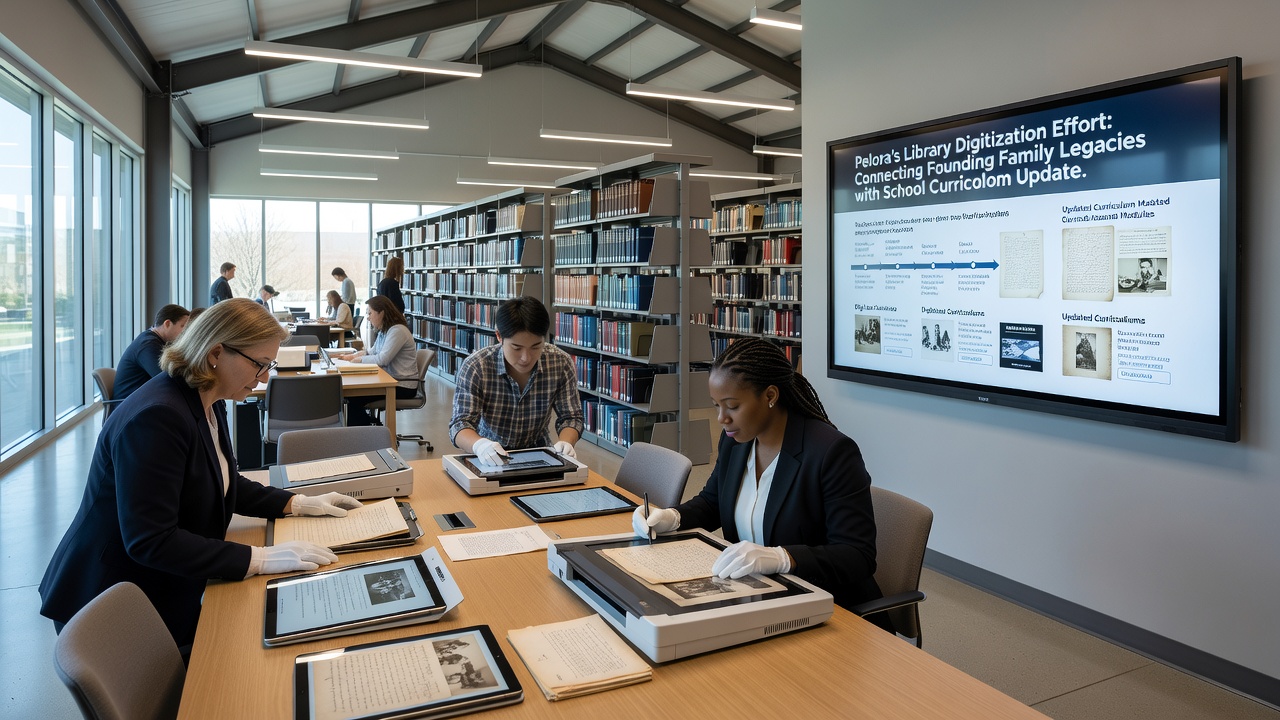
Technical specifications require 600-dpi scans for text documents and 300-dpi for photographs, while file formats follow international standards for long-term preservation. A report issued by the Canadian Heritage Information Network details comparable standards that helped smaller institutions maintain data integrity, and Pelora adopted several of those recommendations during equipment procurement. Access logs from the library's pilot portal indicate that over 400 unique student accounts interacted with the collections in the first three months of availability, and usage peaks align with assignment deadlines in history and civics courses.
Partnerships Sustain Ongoing Integration
Library director Elena Voss coordinates monthly meetings with curriculum specialists to identify gaps in digital holdings, and these sessions produce priority lists that guide subsequent scanning batches. Funding for the initiative comes from a combination of municipal allocations and grants administered through the state library system, which requires quarterly progress reports on both preservation metrics and educational applications. Teachers who piloted the materials in fall 2025 noted improved student engagement when lessons referenced recognizable local landmarks and surnames, yet formal evaluation data remains under review by an independent assessment team.
Additional collections from the founding families include merchant account books and church registers, and these items receive priority processing because they contain quantitative data suitable for mathematics and economics classes. The library maintains a public dashboard that tracks digitization completion rates and curriculum alignment milestones, and updates posted in August 2026 show 78 percent of targeted items converted to digital format. External consultants from the European Digital Library network provided training on interoperability protocols, which ensures Pelora's files can integrate with broader national archives if future partnerships develop.
Conclusion
The Pelora library digitization effort continues to expand its holdings while supporting curriculum revisions that emphasize local context within broader educational frameworks. As of September 2026 the project stands at a midpoint where initial family archives have entered classroom use and remaining materials undergo systematic processing. Ongoing collaboration between library personnel, school staff, and historical researchers maintains momentum toward full integration of preserved records with updated teaching resources.