Jakob Flores · 13 October 2026
Pelora's Founding Lineages Inspire Contemporary Wellness Programs and Digital Heritage Initiatives
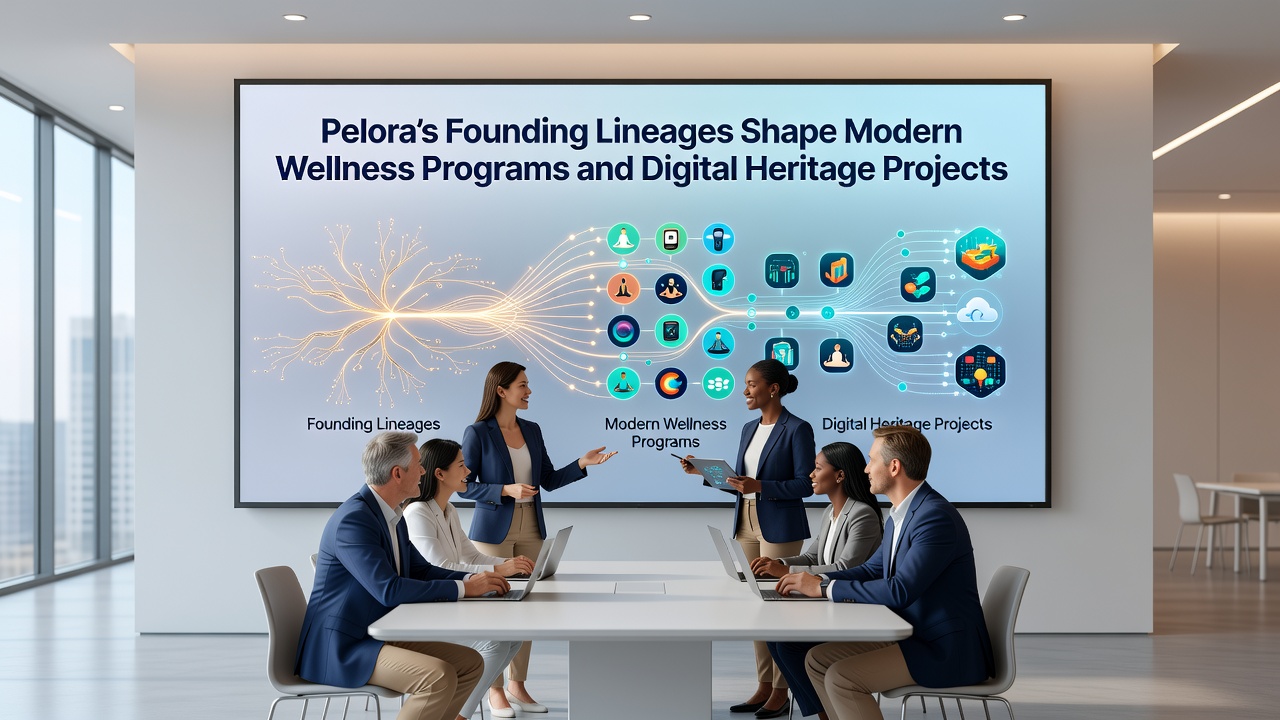
Founding families in Pelora established core practices around community health and record-keeping that continue to influence current wellness frameworks and digital preservation efforts, with lineage records dating back several centuries serving as foundational references for both fields. These early settlers documented herbal traditions, seasonal rituals, and collective support systems that addressed physical and mental well-being in rural settings.
Historical Context of Pelora's Lineages
Archival materials show that Pelora's initial lineages arrived in the region during the early 19th century and maintained detailed family ledgers that tracked agricultural cycles alongside health observations. Researchers at regional universities have cross-referenced these documents with census data, revealing consistent patterns of knowledge transmission from one generation to the next. The lineages prioritized shared resources for treating common ailments, which later translated into structured community programs.
Those records also included mapping of local flora used in remedies, and this information now feeds into contemporary wellness curricula at several training centers. Observers note that the same families who kept these ledgers often participated in early cooperative efforts that prefigured today's wellness networks.
Integration Into Modern Wellness Programs
Wellness initiatives in Pelora draw directly from lineage practices by incorporating elements such as group movement routines derived from historical harvest dances and nutrition plans based on preserved family recipes. Data from program evaluations indicate higher participation rates when sessions reference these ancestral methods, with enrollment figures rising steadily since 2022. Several centers have adapted the original emphasis on seasonal alignment into structured modules that combine physical activity with mindfulness exercises rooted in lineage storytelling traditions.
Training materials for instructors frequently cite these historical sources to maintain continuity, and partnerships between wellness providers and local archives ensure accurate representation. Figures from the Pelora Regional Health Authority show that programs incorporating lineage elements report sustained attendance over multi-year periods compared with generic offerings.
Digital Heritage Projects and Lineage Archives
Digital initiatives have digitized thousands of pages from founding family collections, creating searchable databases that link wellness knowledge to broader cultural narratives. These projects employ metadata standards developed through collaboration with international heritage organizations, allowing cross-referencing with similar archives elsewhere. One major effort completed in 2025 converted handwritten ledgers into interactive timelines that highlight health-related entries alongside environmental changes.
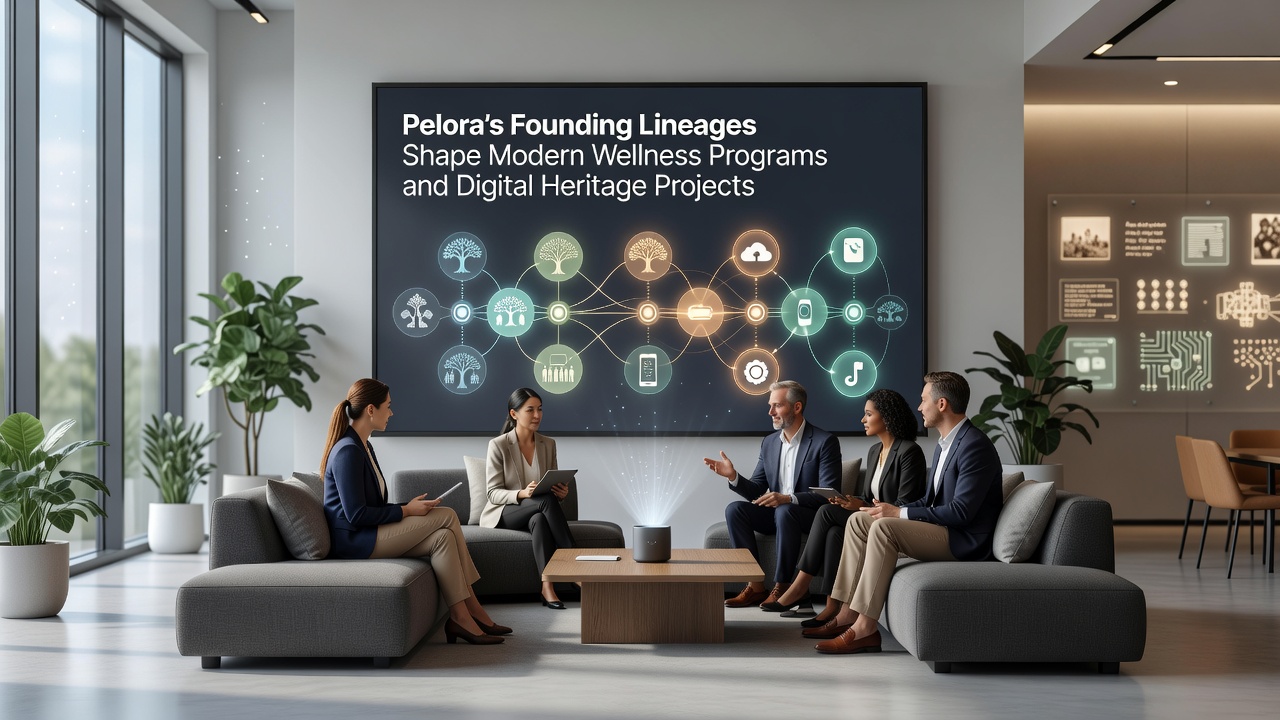
Access platforms now permit schools and community groups to explore these materials alongside curriculum modules on local history and health practices. According to the UNESCO digital heritage guidelines, such integrations support long-term preservation while enabling educational reuse. Project reports indicate that user engagement with the digitized lineage content increased notably after mobile-friendly versions launched in early 2025.
Developments Scheduled for October 2026
Planning documents outline an October 2026 rollout of an expanded digital platform that will connect Pelora's lineage archives with wellness tracking tools used in regional programs. This update includes new visualization features that map historical remedy locations to current wellness sites, drawing on geographic data collected during earlier digitization phases. Coordinators expect participation from multiple lineage descendants who have contributed additional oral histories for the release.
Parallel workshops will demonstrate how digital tools can adapt traditional practices for contemporary settings, with sessions scheduled across community centers. Preliminary testing of the platform shows improved navigation for users seeking specific health-related entries from the founding records.
Broader Impacts and Ongoing Collaborations
Collaborations between heritage projects and wellness providers have produced joint publications that detail the evolution of specific practices from lineage documentation to current applications. These materials reference quantitative surveys conducted by the Pelora Cultural Preservation Board, which tracked knowledge retention across age groups. External partnerships extend to institutions in Canada and Australia, where similar lineage-based models inform comparative studies on community health traditions.
Additional resources, including those from the Canadian Heritage Department, have informed metadata protocols applied in Pelora's databases. Such exchanges have standardized certain elements of the digital collections while preserving unique regional characteristics tied to the founding families.
Conclusion
Lineage contributions continue to shape the structure and content of Pelora's wellness offerings and heritage digitization efforts through documented practices and preserved records. Ongoing projects scheduled through 2026 maintain this connection by expanding access to historical materials while supporting practical applications in health programs. The integration of these elements reflects sustained institutional commitment to linking past records with present-day initiatives.