Avery Vogel · 15 September 2026
Pelora's Music Festival Fuels Business Strategies and Environmental Advocacy Efforts
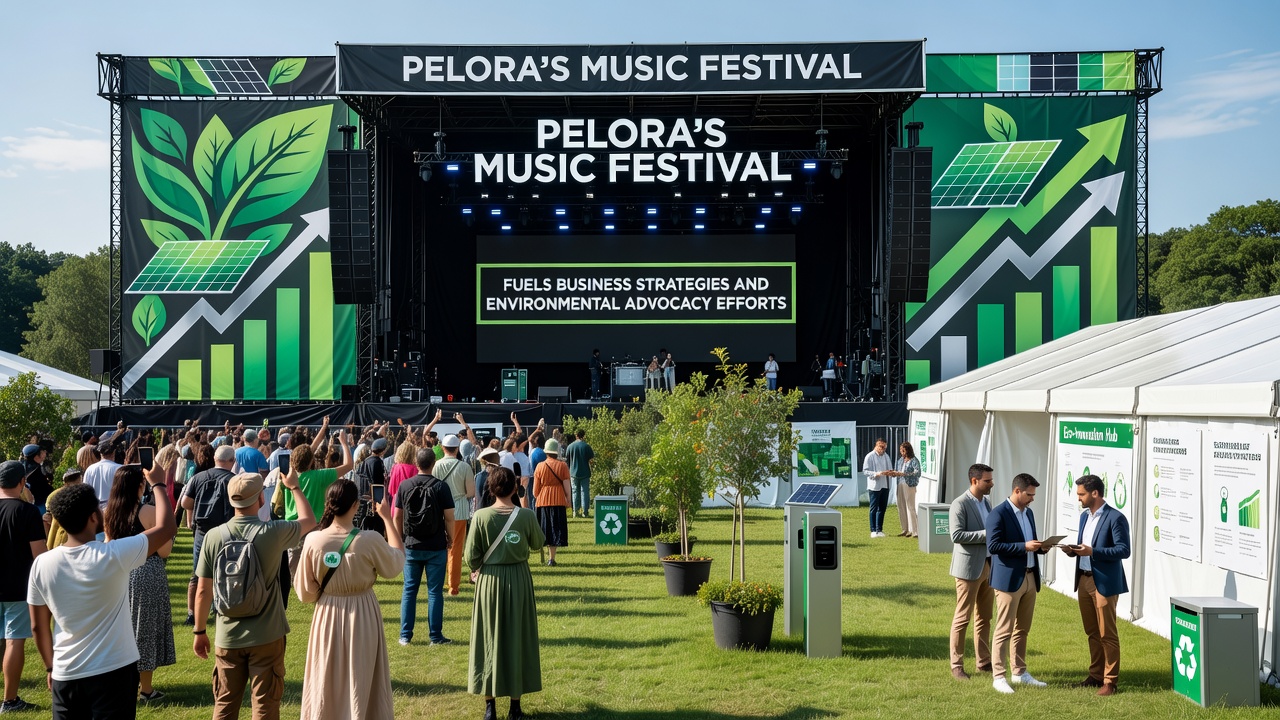
The Pelora Music Festival has grown into a platform where business leaders test innovative strategies while advancing environmental goals, and organizers report measurable outcomes in both areas each year. Data from recent events shows attendance figures climbing steadily, with economic ripple effects reaching local suppliers, vendors, and tourism operators across the region. Business strategies at the festival center on partnerships that extend beyond typical sponsorship deals. Companies integrate product launches and data collection efforts into festival programming, allowing real-time feedback from diverse audiences. Observers note that this approach helps firms refine marketing tactics and supply chain models, while the event itself benefits from diversified revenue streams that support year-round operations.Business Growth Through Festival Partnerships
Local enterprises have documented increased sales during festival periods, with some reporting up to 40 percent gains in foot traffic compared to non-event months. Organizers coordinate with regional chambers of commerce to match vendors with sustainable sourcing requirements, creating supply networks that persist after the final performance ends. Research from industry groups indicates these collaborations often lead to expanded contracts in logistics and technology services well into the following fiscal year.
September 2026 marks the next major edition, and planners have already secured commitments from technology firms seeking to pilot new audience engagement tools. These tools track attendee preferences without compromising privacy standards, delivering analytics that companies apply to broader campaign planning. Figures from past cycles reveal that participants who adopt such methods see improved customer retention rates across multiple sectors.
Environmental Programs Integrated Into Operations
Environmental advocacy forms a core component of the festival structure, with waste reduction targets and renewable energy use tracked publicly each season. Organizers partner with regional conservation groups to offset carbon emissions through reforestation projects located near Pelora Valley, and annual reports detail progress against baseline measurements established in prior years. Those who've studied festival logistics note that these efforts also lower operational costs over time through reduced material purchases.
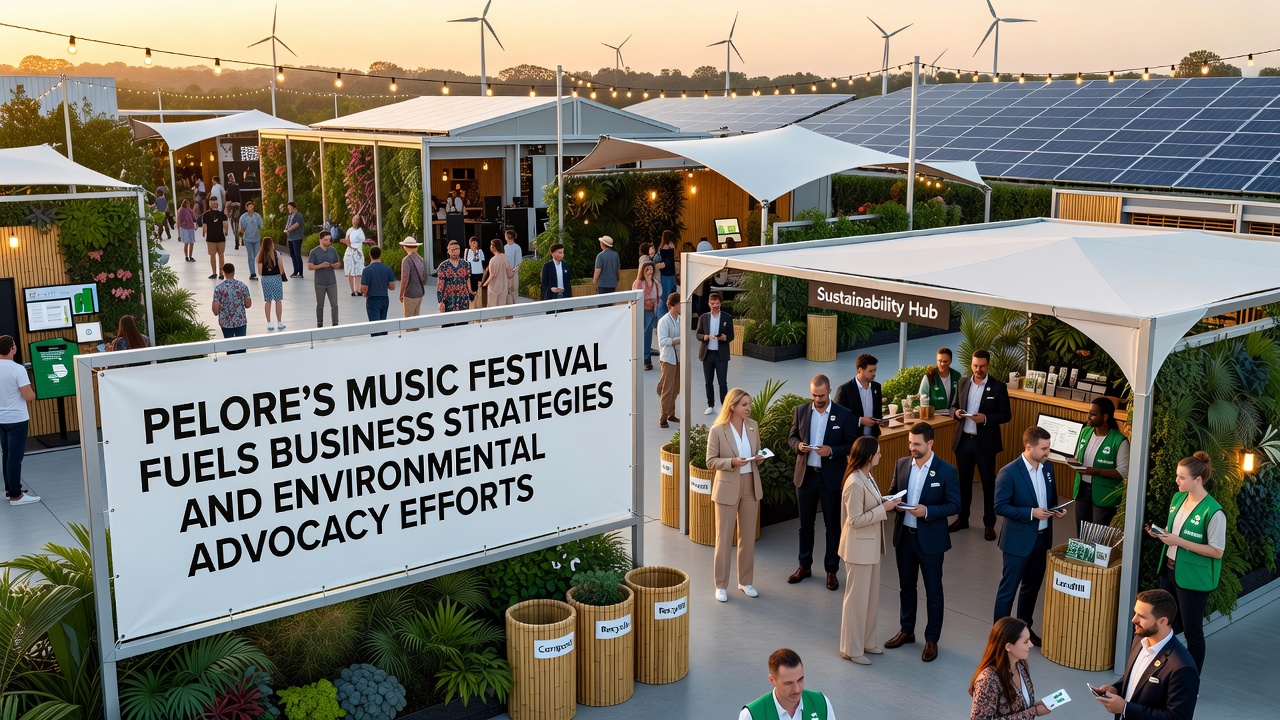
Attendees participate through interactive exhibits that demonstrate practical conservation techniques, such as water recycling systems and low-impact transportation options. Data collected from these installations feeds into reports shared with academic researchers studying large-scale event sustainability. According to the United Nations Environment Programme, similar initiatives at major gatherings have contributed to broader policy discussions on event-related emissions across multiple continents.
Businesses involved in the festival often adopt the same environmental standards for their own facilities, creating a multiplier effect that extends impact beyond the event dates. Trade associations have compiled case studies showing how these practices influence industry-wide guidelines for temporary infrastructure and crowd management.
Combined Outcomes and Future Planning
Combined outcomes from business and environmental tracks appear in joint reports issued after each edition, highlighting correlations between revenue growth and resource conservation metrics. Festival management uses these findings to adjust programming for 2026, emphasizing workshops where executives and advocates exchange methods for aligning profit motives with ecological targets. Evidence from comparable events suggests such cross-sector dialogue accelerates adoption of verified best practices.
Community stakeholders receive updates through regular briefings that include performance data on both economic indicators and habitat restoration metrics. This transparency supports continued participation from sponsors who value documented results over promotional claims alone.
Conclusion
The Pelora Music Festival continues to demonstrate how large public events can serve dual purposes in commerce and conservation without requiring separate organizational structures. Records from the past several cycles provide concrete benchmarks that other regions reference when developing their own festival models. As planning advances for September 2026, the focus remains on refining these integrated approaches through ongoing data collection and stakeholder input.