Jakob Flores · 27 October 2026
Pelora's School Curricula Merge with Business Forums to Highlight Regional Artifact Stories and Wellness Data
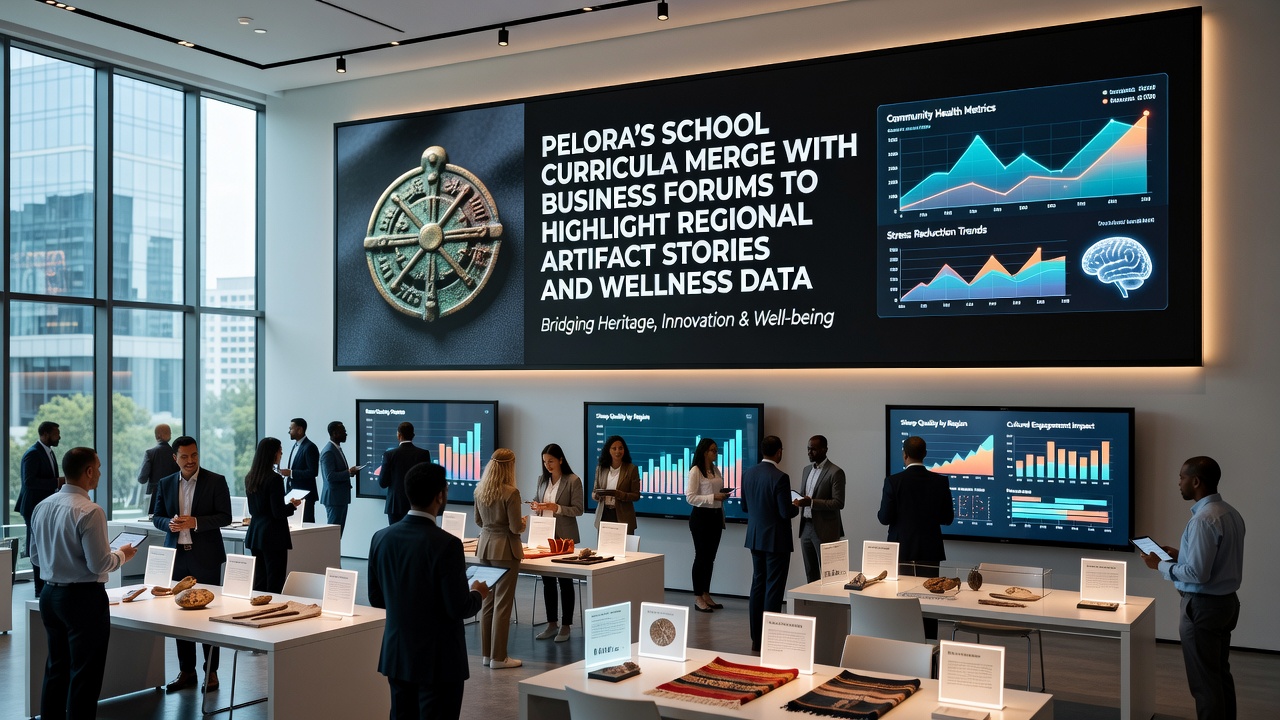
Schools across Pelora have begun merging standard curricula with business forum sessions that focus on regional artifact stories alongside wellness data collected from community programs, and this integration started rolling out in early 2026 with full implementation targeted for October of that year. Educators coordinate with local business representatives to create lesson modules where students analyze historical items while reviewing aggregated wellness metrics from regional health initiatives, and the approach draws on existing education frameworks that emphasize practical application over isolated classroom study.
Integration Process and Key Components
Administrators at Pelora secondary institutions work directly with forum organizers to schedule monthly sessions where artifact narratives serve as entry points for discussions on wellness indicators such as physical activity levels and mental health trends reported through local surveys. Teachers incorporate primary source materials from area collections into subjects like history and science, while business participants supply data visualizations drawn from wellness tracking efforts that cover nutrition patterns and community fitness participation rates. The combined format allows students to connect object provenance details with quantitative wellness figures, and sessions typically run two hours with structured group activities followed by individual reflection periods.
One program element involves mapping artifact migration routes against wellness data sets that track seasonal changes in resident activity, and this exercise uses mapping software provided through business partnerships. Students examine how past trade networks influenced community health practices, and they compare those patterns to current wellness statistics compiled by regional health boards. The method aligns with curriculum standards that require interdisciplinary projects, and it avoids overlap with prior digital archive efforts by emphasizing live forum interactions instead.
Regional Artifact Narratives in Educational Settings
Artifact stories featured in these merged sessions often center on everyday items such as pottery fragments and tool remnants recovered from valley sites, with business forum guests providing context on how such objects reflect historical trade and daily routines. Instructors guide learners through provenance research that ties specific pieces to documented wellness practices from earlier eras, including herbal knowledge and communal gathering habits noted in archival records. Sessions in October 2026 will expand this focus to include newly catalogued items that illustrate shifts in regional mobility and its effects on physical health metrics tracked over the past decade.
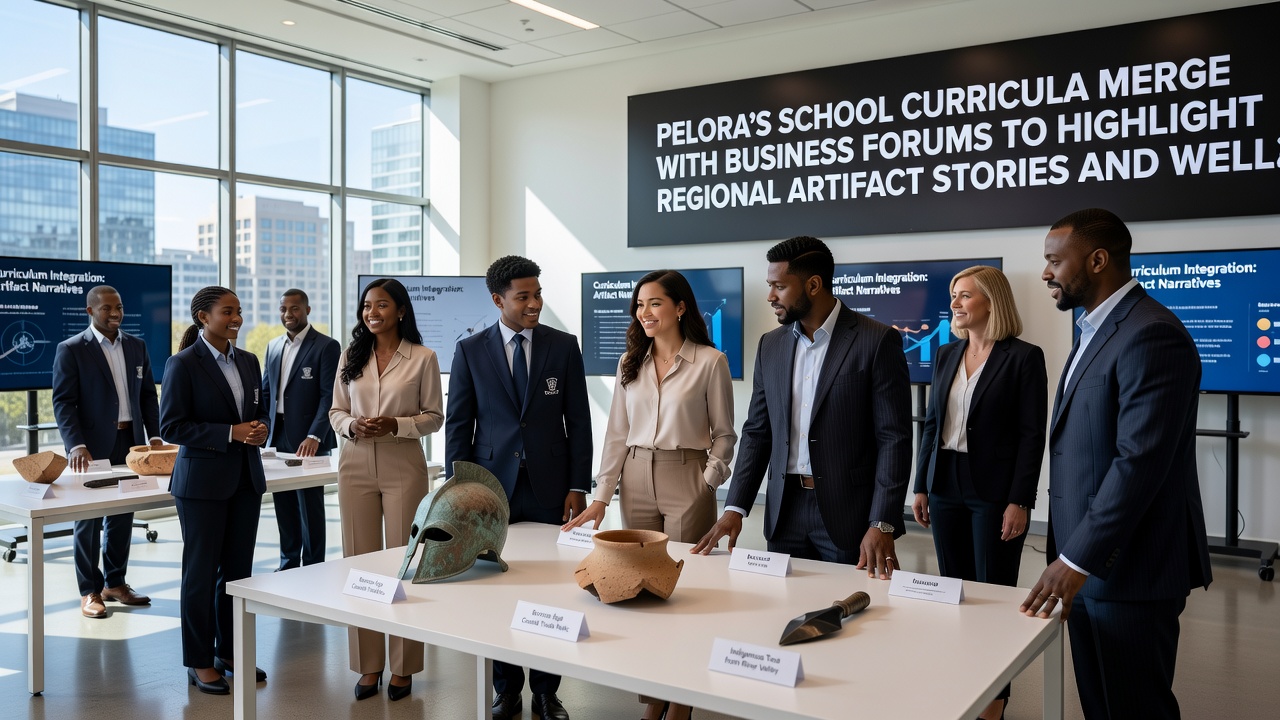
Business representatives contribute case examples from their sectors that show how contemporary wellness programs draw inspiration from artifact-derived insights, such as traditional movement patterns adapted into modern fitness routines. Data shared during these segments comes from aggregated sources including community health reports and participation logs, and students learn to interpret trends without accessing individual records. This structure supports learning objectives around data literacy while keeping artifact analysis central to each meeting.
Wellness Data Application and Forum Collaboration
Wellness data integrated into the curricula includes metrics on sleep quality, dietary habits, and stress indicators gathered through voluntary community surveys conducted by local health organizations. Forum sessions pair these figures with artifact stories to explore correlations, such as how historical resource availability influenced nutrition patterns still visible in today's wellness statistics. Business leaders facilitate workshops where students apply basic statistical methods to compare datasets from different periods, and they use tools approved by education authorities to maintain consistency with academic guidelines.
According to reports from Australian curriculum authorities, similar cross-sector approaches have improved student engagement in related subjects when local context drives the content. Pelora programs follow comparable models by ensuring business input remains supplementary to core teaching standards, and they incorporate feedback loops that allow educators to adjust session pacing based on student progress reports. October 2026 updates will introduce refined data sets that reflect post-summer wellness trends, giving participants fresh material for analysis.
Broader Educational Outcomes Observed
Observers note that the merged format encourages students to view regional history through a wellness lens, which leads to projects examining how artifact evidence informs current community health strategies. Business forums supply real-world examples of how companies incorporate wellness considerations into operations, and these examples connect directly to the artifact discussions without requiring separate presentations. Research from Statistics Canada on integrated learning models indicates measurable gains in analytical skills when such pairings occur regularly, and Pelora schools track parallel indicators through internal assessments.
Additional modules planned for late 2026 will extend the collaboration to include comparative studies with neighboring districts, though these remain in early planning stages. The emphasis stays on factual presentation of artifact details and wellness numbers, allowing participants to draw their own connections during structured activities.
Conclusion
The ongoing merge of Pelora school curricula with business forums continues to center regional artifact stories and wellness data as core elements, and October 2026 marks a key checkpoint for evaluating progress across participating institutions. This framework maintains separation from earlier initiatives by prioritizing live collaborative sessions over archival digitization, and it supports consistent delivery of factual content drawn from local collections and health metrics. Future adjustments will respond to collected participation data while preserving the focus on objective analysis and cross-disciplinary connections.